






Moving Out of Belmont Village: Local Waste & Drop-off Spots
Posted on 05/05/2026

Moving Out of Belmont Village: Local Waste & Drop-off Spots
Moving out is rarely just about boxes and keys. There is always a moment near the end when you look around and realise the real problem is not the sofa or the kettle - it is the pile of things that need sorting, donating, recycling, or dropping off somewhere sensible. If you are moving out of Belmont Village, knowing your local waste and drop-off spots can save you time, money, and a lot of last-minute stress.
This guide pulls together the practical side of leaving a property clean and empty: what can be recycled, what usually needs special handling, how to plan disposal before moving day, and when a professional team can make the whole thing less chaotic. It is written for real life, not an idealised version of it. Because truth be told, most moves include at least one awkward item, one overlooked drawer, and one bin bag that suddenly feels heavier than it should.
Why Moving Out of Belmont Village: Local Waste & Drop-off Spots Matters
Leaving a home means dealing with the visible stuff and the invisible admin. Waste disposal sits right in the middle of both. If you leave rubbish behind, mix recyclables with general waste, or dump items in the wrong place, you can create avoidable costs and delays. Worse, you may end up scrambling on moving day when your lift is booked, the van is waiting, and the hallway is full of things that no longer have a home.
For Belmont Village residents, local drop-off options matter because not everything belongs in a household bin. Flat-pack furniture, broken chairs, mattresses, small electricals, paint tins, batteries, and bulky leftovers all need different handling. Some can go to a recycling centre, some to a reuse route, and some may need a licensed waste collection. Getting that distinction right is the difference between a smooth handover and a frazzled one.
There is also a landlord or letting-agent angle. If you are renting, a clean and properly cleared property can help reduce disputes over cleaning charges or abandoned items. If you are selling, a tidy, waste-free home simply presents better. Nobody wants to be loading a final box while staring at three broken lamps and a mystery bag from the cupboard under the stairs.
Useful internal guidance can help too. If you are trying to get organised before the move, the practical advice in organising and decluttering for a stressless move is a good place to start, and the broader recycling and sustainability page adds helpful context for responsible disposal.
How Moving Out of Belmont Village: Local Waste & Drop-off Spots Works
The process is simple in theory: separate your belongings into keep, donate, recycle, dispose, and move. In practice, the tricky bit is deciding where each item belongs. A good moving-out waste plan starts a few days before the van arrives, not the night before. That gives you room to check what local facilities accept and whether anything needs booking, wrapping, or draining first.
Most move-out waste falls into a few everyday categories:
- General household waste - bagged rubbish, broken non-recyclable items, packaging that cannot be reused.
- Dry recyclables - cardboard, paper, certain plastics, cans, and glass, depending on local rules.
- Bulky items - wardrobes, beds, mattresses, sofas, tables, and chairs.
- Electricals - kettles, microwaves, printers, cables, lamps, and similar items.
- Special items - batteries, paint, chemicals, fluorescent tubes, gas canisters, and some fridge/freezer components.
Drop-off spots are usually used when you want to handle items yourself. That might mean a local reuse shop, a recycling centre, or a council-run household waste facility. If you have a lot to move, or if the items are awkward and heavy, using a local service can be far easier. A well-planned man and van Belmont service can help transport bulky waste to the right destination, especially when you do not want to load and unload twice.
And yes, sometimes the practical answer is storage rather than disposal. If you are undecided about furniture or appliances, storage in Belmont can buy you time while you decide what stays, what goes, and what gets donated later.
Key Benefits and Practical Advantages
Using local waste and drop-off spots properly is not just about being tidy. It changes the whole tempo of the move. Instead of carrying unnecessary clutter to the next property, you strip the move down to what you actually need. That reduces handling, packing time, and the number of trips you need to make. Simple, but powerful.
Here are the biggest practical wins:
- Less moving-day pressure - fewer items means faster loading and less chance of forgetting something.
- Lower disposal risk - you reduce the chances of leaving prohibited waste with the wrong collection stream.
- Better property handover - a cleared space looks and feels more finished.
- More reuse - decent furniture and household items can often be donated rather than binned.
- Reduced lifting strain - less handling of unwanted items means less chance of injury.
There is a quiet efficiency to this. You will notice it most at the end of the move, when the rooms are echoing a bit and the floors are finally visible again. That moment feels better than it should, to be fair.
If bulky items are part of the problem, you may also want a quick read of furniture removals in Belmont or the more general removal services Belmont page, because disposal and removal often overlap on the same day.
Who This Is For and When It Makes Sense
This topic matters for almost anyone moving out, but it becomes especially useful in a few common situations.
- Tenants who need to clear the property before checkout or inventory inspection.
- Homeowners who are decluttering before a sale or completion date.
- Students leaving rented accommodation with a mix of old books, broken chairs, and odd bits of furniture.
- Families downsizing and needing to reduce the amount of stuff heading into the next home.
- Busy professionals who simply do not have the time to make multiple waste runs.
It also makes sense if your move includes awkward items. A mattress that has seen better days, a fridge that has been unplugged for a while, or a piano that definitely should not be shifted casually down the stairs - these all need planning, not guesswork. For larger or more delicate pieces, it is worth reading about packing and moving your bed and mattress with ease and the dangers of DIY piano moving.
If your move is on a tight deadline, same-day help can be the difference between a calm finish and an all-out scramble. That is where same-day removals in Belmont can be genuinely useful.
Step-by-Step Guidance
A move-out waste plan works best when you treat it like part of the move, not a side task. Here is a practical process you can follow.
1. Walk the property room by room
Start with the obvious clutter and then work through cupboards, under beds, loft spaces, sheds, and utility areas. A surprising amount of waste hides in the boring places. The back of the kitchen cabinet, the corner behind the sofa, the drawer full of cables - you know the sort.
2. Sort everything into clear categories
- Keep
- Donate
- Recycle
- Dispose
- Move
Label bags and boxes if needed. If the house is busy, use sticky notes or tape. It is a small step, but it saves confusion later.
3. Identify local drop-off options
Check which local waste and recycling facilities accept the items you have. Reuse charities or community collection points may take furniture in decent condition. Household waste and recycling centres may accept mixed materials, but acceptance varies. Always check before you load the car or van, because the wrong trip is just extra effort.
4. Prepare items properly
Drain fridges and freezers if required, remove batteries from appliances where appropriate, flatten cardboard, and separate recyclable materials. If you are dealing with a freezer or fridge, the guidance in how to preserve freezer longevity during inactive times can be helpful if you are storing rather than disposing.
5. Book transport or collection if needed
For bulky or heavy loads, one van run is often easier than trying to do it yourself in stages. A professional team can also help protect stairwells, lifts, and door frames. If you are weighing up options, take a look at man with a van in Belmont and removal van Belmont.
6. Leave the property clear and sweep through one last time
This final check is more important than people think. Open the cupboard under the stairs, look behind internal doors, and check outdoor spaces. On a moving day, little things get missed easily. A stray battery charger or a forgotten plant pot can hold everything up. Annoying, but fixable if you catch it early.
Expert Tips for Better Results
Experience tells you that a move is much smoother when waste is handled early. Here are a few tips that usually make the biggest difference.
- Do the first declutter at least a week before moving day. The earlier you sort, the less panic you feel later.
- Keep one "last-minute waste" box. This catches loose screws, dead chargers, old receipts, and other bits that otherwise vanish into drawers.
- Don't mix donation items with rubbish. Once a good sofa has been stained by general waste, it rarely becomes usable again.
- Break bulky items down where safe. Flat-pack furniture often takes less room if carefully dismantled first.
- Use proper lifting technique. Bend your knees, keep the load close, and don't twist under pressure. It sounds basic because it is basic, but basic is what saves backs.
- Keep wet or odorous waste separate. Food, damp cardboard, and old cleaning liquids are much easier to handle when isolated early.
If your move includes awkward lifting or repeated trips up and down stairs, the practical advice in kinetic lifting and safety and smart ways to handle heavy loads solo is worth a look. One poor lift can derail an otherwise fine day. Nobody needs that.
And a small local note: if you live in a narrow street or a flat with limited access, plan around parking and carrying distance. Twenty extra metres doesn't sound like much until you are on load number seven.

Common Mistakes to Avoid
A lot of move-out waste problems are completely avoidable. The same issues come up again and again, usually because people are rushing.
- Leaving disposal until the final evening - this is the classic one. It turns a manageable task into a stressful race.
- Assuming everything can go in the same bin - that leads to contamination and missed recycling opportunities.
- Ignoring bulky item rules - mattresses, sofas, and large appliances often need special handling.
- Forgetting hazardous or regulated items - batteries, paints, and chemicals should not be mixed with ordinary waste.
- Overfilling bags and boxes - heavy bags split, and broken waste is a mess nobody wants to clean up.
- Not checking opening times or booking requirements - many local facilities operate on set schedules or require advance arrangement.
There is also a hidden mistake: keeping "maybe useful" items for too long. If you have not touched it in years and it is not clearly going to a new home, chances are it just needs a decision. That one can sting a bit, but it helps.
Tools, Resources and Recommendations
You do not need a huge toolkit to manage moving-out waste well, but a few basics make life much easier.
| Tool or Resource | Why It Helps | Best For |
|---|---|---|
| Strong refuse sacks | Safer handling and less chance of split bags | General waste and soft household items |
| Marker pens and labels | Clear sorting and faster loading | Mixed boxes, donation piles, recycling |
| Blankets and tape | Protects furniture on the way out | Chairs, drawers, mirrors, small units |
| Basic tools | Helps dismantle furniture safely | Bed frames, shelves, desks |
| Van or professional removal support | Reduces repeated trips and heavy lifting | Bulky waste, mixed loads, time-sensitive moves |
For moving equipment and packing support, the guides on packing and boxes in Belmont and packing success for moving are useful companions to this topic. They help you separate what should be packed from what should be cleared.
If the move is bigger than expected, the broader house removals Belmont service page is a sensible next step, especially when waste removal and transport need to happen together.
Law, Compliance, Standards, or Best Practice
This section needs a careful hand. Local waste rules can vary, and facilities change what they accept. So the safest approach is simple: check local guidance before disposal, and use licensed or approved channels for any item that is not standard household waste.
In the UK, the general best practice is to sort waste correctly, avoid contamination, and use proper routes for bulky, electrical, or hazardous items. Do not leave waste in public spaces, skip rules, or communal areas unless it is specifically permitted. If you are in rented accommodation, make sure any final waste disposal also matches your tenancy terms and check-out expectations. That can save awkward back-and-forth later.
For electricals, batteries, paints, oils, and cleaning chemicals, extra care is wise. These items may need separate disposal or designated collection points. If you are unsure, ask before you travel. It is a tiny bit of admin that prevents a bigger problem.
From a safety perspective, use sensible lifting methods, avoid overloaded bags, and keep pathways clear. The health and safety policy and insurance and safety pages are useful references if you want to understand how a professional service approaches this side of the move.
Options, Methods, or Comparison Table
There is no single "best" disposal method for every move. The right choice depends on how much you have, how heavy it is, and how much time you can spare.
| Method | Best For | Advantages | Trade-Offs |
|---|---|---|---|
| Self-drop-off | Small to medium loads, flexible schedules | Direct control, can be economical | Requires transport, lifting, and time |
| Reuse or donation | Usable furniture and household items | Good environmental outcome, less waste | Items must usually be in acceptable condition |
| Professional collection | Bulky items, mixed loads, tight deadlines | Less lifting, less hassle, faster clearance | Usually costs more than doing it yourself |
| Storage first | Unsure items or staged moves | Buys time and flexibility | Not a disposal solution, just a pause |
If you are torn between disposal and keeping something a little longer, storage can be a better middle path. If you already know it is leaving, disposal wins. If you are not sure, pause. That sounds obvious, but it avoids regret.
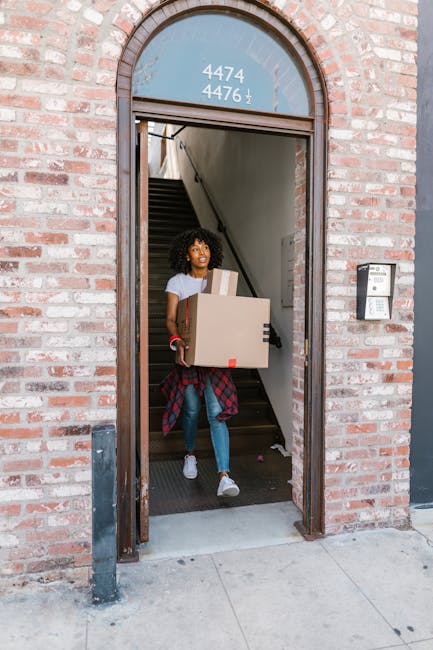
Case Study or Real-World Example
Here is a simple example from a typical Belmont move-out scenario. A couple in a flat were moving to a smaller place and had accumulated a mix of items over the years: two old bedside tables, a mattress, several bags of mixed household clutter, a small freezer, and a handful of electrical bits that had been left in cupboards after upgrading appliances.
At first, they planned to "deal with it on the day." That is usually where the wheels wobble. Instead, they spent one evening sorting everything into keep, donate, recycle, and dispose. The bedside tables were checked for reuse, the mattress was set aside for the right disposal route, cardboard was flattened, and the freezer was planned for safe handling once unplugged. Their moving team then collected the bulky items separately, which meant the property was cleared faster and the final clean was much easier.
The important part was not perfection. It was sequencing. They did not try to do everything at once, and they did not guess. That made the move feel lighter, even though the actual amount of stuff was roughly the same. Funny how that works.
When people combine disposal with proper planning, the move usually feels less like a scramble and more like a finish line.
Practical Checklist
Use this checklist a few days before you move out. A quick pass here can save a lot of last-minute stress.
- Walk every room, cupboard, loft space, and storage corner.
- Separate items into keep, donate, recycle, dispose, and move.
- Check what your local drop-off spot accepts before loading the van.
- Set aside batteries, paint, chemicals, and other special waste.
- Flatten cardboard and bundle recyclables neatly.
- Drain or prepare appliances if they need special handling.
- Label boxes and bags clearly.
- Protect furniture edges and floors during removal.
- Confirm any collection times or access arrangements.
- Do one final sweep of the property before handing back the keys.
Expert summary: The cleanest move-outs are not the ones with the fewest items. They are the ones where every item has a plan. If you know where the waste is going, the rest of the move tends to settle down.
Conclusion
Moving out of Belmont Village becomes much easier when waste and drop-off planning are part of the move from the start. Rather than treating rubbish as the last problem to solve, it helps to see it as one of the core moving tasks. That means sorting early, checking local options, protecting yourself from lifting mistakes, and using the right route for every item.
Whether you are clearing a flat, a family home, or a student property, the same principle applies: keep what matters, donate what still has life in it, and dispose of the rest properly. A little structure now saves a surprising amount of stress later. And honestly, there is a real satisfaction in standing in an empty room knowing you handled it properly.
Get a free quote today and see how much you can save.
If you want extra support with planning, removal timing, or awkward items, you can also explore the team's about us page or head straight to contact the Belmont team for a practical conversation about your move.

