Belmont to Cheam removals planner for quick local moves
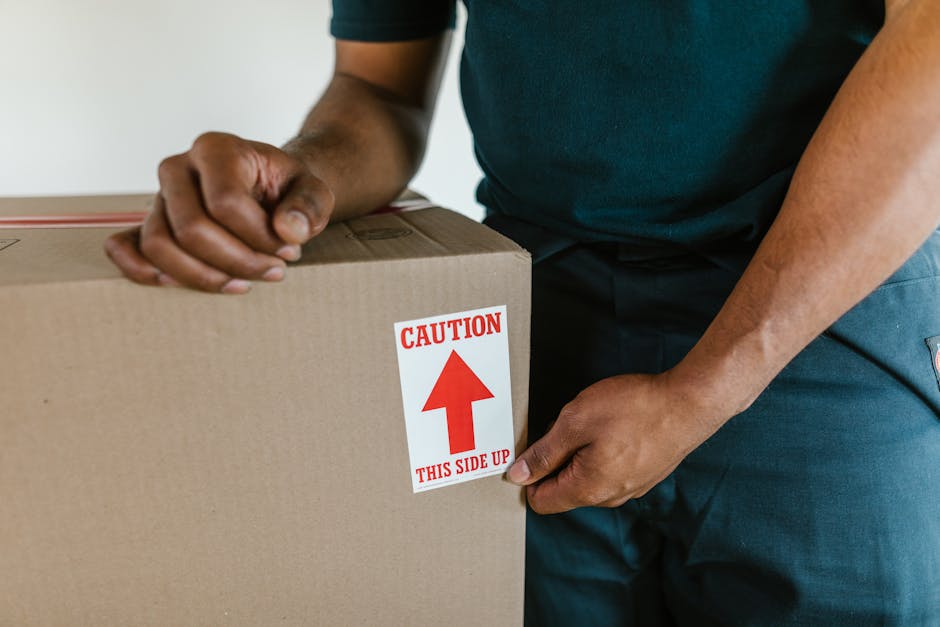
If you are moving from Belmont to Cheam, the job can look tiny on a map and still feel strangely complicated once boxes, parking, keys, and timing enter the picture. That is exactly where a Belmont to Cheam removals planner for quick local moves earns its keep. It turns a short house move, flat move, or small office shift into something structured, calm, and manageable.
To be fair, local moves are often the ones people underestimate most. The journey itself may only take a few minutes, but the real challenge is getting everything ready so that those minutes do not expand into a stressful morning. This guide walks through the planning process in plain English: what to prioritise, how to choose the right move style, what to check before moving day, and how to avoid the little issues that can slow even the shortest relocation.
Whether you are moving furniture, a one-bedroom flat, or a full family home, the aim is simple: less faff, fewer delays, and a move that feels quick rather than chaotic.
Why Belmont to Cheam removals planner for quick local moves Matters
A short move is still a move. That sounds obvious, but people often only discover it when the van is outside and a sofa will not fit through the hallway without a bit of careful thinking. A proper planner helps you break the job into sensible parts: what goes first, what needs dismantling, what is fragile, and what should travel separately.
For a Belmont to Cheam move, the route is local enough that timing matters more than distance. A late key handover, a missed loading bay, or a packed road can throw off the whole day. A planner keeps the move focused on the actual bottlenecks, not just the postcode-to-postcode hop.
It also helps you make better choices about the type of help you need. A small domestic move may suit a man and van service, while a larger family relocation may need house removals support or a more complete removal services package. The planner stops you from overbooking, underbooking, or guessing.
And let's face it, moving day is not the best time for guesswork.
How Belmont to Cheam removals planner for quick local moves Works
The planner works by mapping the move in a sequence that reduces wasted time. First comes the sort-out stage: what is moving, what is staying, and what needs special handling. Next comes access planning, which is the bit many people skip. Can a van park close enough to the door? Is there a narrow staircase? Will you need help carrying items downstairs? These details matter a lot more than people think.
Then there is timing. Local moves often work best in short windows, especially if you want to avoid rush-hour congestion or awkward handover overlaps. A morning slot can be useful if you want the rest of the day free for unpacking, while an afternoon move may help if keys are only available later. There is no perfect formula, but there is a better one for your situation.
The planner also helps you decide whether to include extras such as packing and unpacking services, a moving van, or a removals van. For a quick local move, the right vehicle size and loading plan can shave off a surprising amount of time. A too-small vehicle means extra trips. A too-large one can be awkward in tight residential streets. Bit of a balancing act, really.
In practical terms, the planner should answer five questions before the move starts:
- What exactly is being moved?
- What access restrictions exist at both addresses?
- What vehicle size is appropriate?
- What time window is realistic?
- What can be packed, dismantled, or staged in advance?
Key Benefits and Practical Advantages
The most obvious benefit is speed. When your route is short, the right planning turns that short distance into a genuinely efficient move rather than a stop-start day. But speed is only one part of the value.
It reduces stress. A local move feels easier when every item already has a place, every large item has been measured, and you know who is handling what. That sense of order makes a bigger difference than most people expect.
It protects your belongings. Good planning means less rushed lifting, fewer last-minute rearrangements, and fewer chances of scratches on furniture or scuffs on walls. If you are moving a dining table through a narrow entrance, the extra ten minutes spent on preparation can save a lot of regret.
It saves money. Time is often the hidden cost in removals. If packing runs late or parking becomes a scramble, the whole move can stretch. Planning keeps the job tighter and more predictable. If you want to compare service levels before deciding, the pricing and quotes page is a sensible place to start.
It supports better coordination. That matters if you are moving with children, coordinating with landlords, or juggling work calls between boxes. Small move, yes. Simple move? Not always.
It makes unpacking easier. When items are grouped by room and labelled properly, the first evening in the new place feels much less like living in a warehouse. A kettle, bedding, phone chargers, and basic toiletries ready to hand can make the first night feel normal very quickly.
Expert summary: For quick local moves, the biggest gains usually come from access planning, realistic vehicle choice, and disciplined packing. Distance is rarely the problem; disorder is.
Who This Is For and When It Makes Sense
This kind of planner makes sense for anyone moving between Belmont and Cheam who wants the job done efficiently without unnecessary complexity. That includes first-time renters, families moving home, downsizers, landlords handling a property turnaround, and small businesses shifting equipment or stock.
It is especially useful if:
- you have only a small number of items but some are bulky or fragile
- you are moving on a tight handover schedule
- you need to fit the move around work, school, or childcare
- you live on a street with tricky parking or narrow access
- you want professional help without booking a large-scale relocation
For office or commercial scenarios, a quick local move can sometimes be handled more smoothly through commercial moves or office removals support, depending on the volume of equipment. If the move is mostly desks, boxes, or a few filing cabinets, a compact service may be enough. If there are servers, specialist furniture, or a full team disruption, the plan needs to be more careful.
Sometimes the move is simply a furniture shuffle rather than a full household relocation. In that case, a furniture pick up service can be the more practical choice. No point hiring more muscle than the job needs.
Step-by-Step Guidance
Here is the simplest way to build a Belmont to Cheam removals planner that actually works in real life.
- List everything that is moving. Walk through each room and note the bulky items, fragile items, and anything that needs to stay separate. Don't rely on memory. Memory is charming, but it is not a system.
- Measure awkward items and access points. Check doorways, stair widths, lifts, and any sharp corners. A sofa that looks fine in the lounge can become a problem the second it meets a tight landing.
- Decide the service level. A lighter move may suit man with a van support, while a fuller move may benefit from house movers or movers who can handle lifting, loading, and transport in one go.
- Set the move order. Pack non-essential items first, then day-to-day items, then essentials last. Put the most important boxes where they will be easiest to reach at the new address.
- Prepare the old and new property. Clear halls, reserve parking if possible, protect floors, and make sure keys, codes, and contact numbers are easy to access.
- Label by room and priority. Use labels that say more than "misc". Future-you will thank present-you. Probably loudly.
- Build a moving-day essentials kit. Include charging cables, snacks, water, medicines, documents, a torch, and basic cleaning items.
- Confirm timings the day before. A quick final check prevents avoidable delays and keeps everyone on the same page.
If your move involves stairs, tight timing, or heavy items, consider whether house removalists or a more complete man and van removals service would reduce pressure. The best option is often the one that cuts friction, not just cost.
Expert Tips for Better Results
There are a few things that consistently make quick local moves go better. Nothing magical. Just sensible habits that remove the usual pain points.
Pack for the destination, not just the journey. In a short move, you want the first few hours in the new place to feel easy. Keep bedding, toilet items, kettle gear, and a small kitchen box separate. That tiny bit of forethought makes the evening much smoother.
Keep your heaviest items small and dense. Books, tools, and files are easier to carry in smaller boxes. Large boxes filled with heavy items become awkward very quickly. People do this, then wonder why their arms are muttering at them by 11 a.m.
Don't overfill wardrobe boxes or bags. It sounds obvious, but overpacking creates slowdowns. A box that needs two people when one was expected changes the whole loading rhythm.
Protect floors and corners. Use covers, blankets, or sheets where needed. Even a quick local move can leave a trail of scuffs if people are rushing on a wet morning.
Ask about insurance and safety. For peace of mind, it is worth checking the provider's approach to cover and handling. You can review the site's insurance and safety information and its health and safety policy if you want a clearer idea of the standards behind the move.
Keep communication short and direct. A good move day is often just a series of quick confirmations: park there, take this box first, leave that mirror for last, key is with me, call me if needed. Clear, plain, done.
Common Mistakes to Avoid
Most quick local move problems come from a handful of predictable mistakes. Once you know them, they become much easier to dodge.
- Leaving packing too late. The last night before a move should not become a midnight boxing marathon.
- Forgetting parking and access. A van can be ready, but if it cannot get near the property, the whole schedule slides.
- Using the wrong vehicle size. Too small means multiple trips. Too large may be awkward for the street or the load.
- Not separating essentials. If your charger, medication, or documents vanish into a random box, the first day in the new home gets messy fast.
- Skipping measurements. A few measurements can save a lot of carrying, lifting, and frustration.
- Ignoring weather. Rain, slippery steps, and cardboard do not get on well together.
- Underestimating the time needed for dismantling. Beds, wardrobes, and shelving often take longer than expected.
One small but common issue: people often assume a local move means they can improvise on the day. Usually that works until it doesn't. Then everyone is standing in a hallway wondering where the screwdriver went. Not ideal.
Tools, Resources and Recommendations
You do not need fancy software to organise a good local move. A pen, a phone, and a sensible checklist are usually enough. That said, a few basic tools make a huge difference.
- Room-by-room inventory list: helps you avoid missing items and makes unloading much easier.
- Measurements sheet: record the size of bulky furniture and access points at both properties.
- Labels or coloured tape: useful for identifying room destinations at a glance.
- Basic toolkit: screwdrivers, Allen keys, tape, and scissors can save time during dismantling.
- Protective materials: blankets, bubble wrap, paper, and covers help safeguard fragile items.
- Digital notes app or shared checklist: handy if more than one person is involved in the move.
If you want extra help with the physical side of the move, a removals provider may be the simplest route. For tighter budgets or smaller loads, a man with van removal setup can offer a practical middle ground. And if you are comparing broader service options, the site's removal company and removal companies pages are useful places to understand the differences in approach.
Law, Compliance, Standards, or Best Practice
For local removals, the most useful mindset is to treat safety, handling, and clear terms as standard practice rather than extras. In the UK, moving arrangements should be set out clearly, especially if you are booking a professional service. That usually means checking what is included, what is not, how delays are handled, and how valuables or fragile items should be prepared.
It is also sensible to understand payment terms before the job starts. If you are booking online or paying in advance, the company's payment and security information should help clarify how transactions are handled. Likewise, the terms and conditions should spell out the basics of service scope and responsibilities.
For waste, unwanted furniture, and leftover household items, the best practice is to avoid casual dumping and plan disposal properly. If reusable items are being moved on, that is one thing. If furniture is no longer needed, think about whether it can be passed on, recycled, or removed as part of a planned clear-out. The site's recycling and sustainability information is a helpful reminder that tidy, responsible moving is part of a better process overall.
And if something does go wrong, a professional business should have a clear route for handling complaints. That is not the cheerful part of the process, admittedly, but it matters. The complaints procedure exists for exactly that reason.
Options, Methods, or Comparison Table
Choosing the right move method is often the difference between a smooth day and a tiring one. Here is a simple comparison to help you decide.
| Option | Best for | Strengths | Watch-outs |
|---|---|---|---|
| Man and van | Small local moves, single rooms, a few bulky items | Flexible, quick, often ideal for short distances | May require more self-packing and coordination |
| Full house removals | Family homes, larger loads, more fragile items | More hands, more structure, better for larger jobs | Can be more than you need for a very small move |
| Moving van only | Confident movers who only need transport | Good for budget control | You handle most of the lifting and loading yourself |
| Packing and transport | Busy households and time-sensitive moves | Saves time and reduces stress | Higher overall cost than transport-only |
If you are still undecided, the key question is simple: do you want help mainly with the vehicle, or with the whole physical process? That one answer usually points you in the right direction.
Case Study or Real-World Example
Picture a typical Saturday move from Belmont to Cheam. A couple is leaving a one-bedroom flat and moving into a small terraced house. They are not shifting a huge amount, but they do have a bed frame, a sofa, a dining table, six boxes of books, and a few awkward plants that somehow became the most delicate part of the whole operation.
They start well. Boxes are labelled, but the hallway is still full of loose items at 8:30 a.m. The van arrives, and things get moving quickly. Then they realise the bedside table needs to come apart before it can fit through the door. Ten minutes later, the correct screwdriver appears from a kitchen drawer, and the move gets back on track. This is normal. A bit messy, but normal.
What helped most was that they had already checked access at both ends, reserved a close parking spot, and kept essentials in one bag. So even though the move was short, it did not turn into a scramble. By early afternoon, the heavy lifting was done and the first kettle was on. That is the quiet win local movers are after.
The lesson here is not that everything goes perfectly. It rarely does. The lesson is that a decent planner absorbs the little surprises before they become big ones.
Practical Checklist
Use this checklist the day before and the morning of the move.
- Confirm move time and access instructions
- Check parking space near both properties
- Finish packing non-essential items
- Separate essentials bag and documents
- Label boxes by room
- Wrap mirrors, glass, and fragile items
- Dismantle furniture where needed
- Protect floors, corners, and door frames
- Keep kettle, charger, and toiletries accessible
- Walk through both properties before leaving
- Take meter readings if relevant
- Lock up carefully and keep keys together
If you are moving a larger household, a more structured home moves service can help keep the checklist under control. For a smaller or more flexible arrangement, the simpler man with van approach may be enough. Either way, the checklist does the heavy lifting for your brain. Handy, that.
Conclusion
A Belmont to Cheam removals planner for quick local moves is really about control. Not control in a rigid, stressful sense, but the calmer kind: knowing what is moving, what support you need, and what could go wrong before it does. For a short local journey, that planning is what keeps the day fast, tidy, and far less exhausting than it might otherwise be.
The good news is that local moves are very manageable once the basics are done well. Measure the awkward bits, pack with purpose, choose the right vehicle or service level, and keep essentials close. Do that, and the move stops feeling like a problem and starts feeling like a practical job getting done.
Get a free quote today and see how much you can save.
Frequently Asked Questions
What is a Belmont to Cheam removals planner for quick local moves?
It is a simple way of organising a short move between Belmont and Cheam so that packing, loading, transport, and unloading happen in the right order. The planner keeps the move efficient and reduces avoidable stress.
How far in advance should I plan a local removal?
For a small move, a few days may be enough if the logistics are simple. For larger homes or awkward access, it is better to plan earlier so you can sort parking, packing, and vehicle size without rushing.
Is a man and van service enough for this type of move?
Often, yes. If you are moving a modest load, a man and van or man with a van option can be ideal for short local distances. Bigger or more complex moves may need more support.
What should I pack separately for moving day?
Keep essentials such as chargers, medicines, toiletries, documents, snacks, water, and basic cleaning items separate. A kettle and bedding are also worth keeping easy to reach if you want the first night to feel comfortable.
How do I know what vehicle size I need?
Start with a room-by-room list and a few measurements of bulky furniture. If you have only a small load, a moving van may be enough. If the load is larger or awkward, ask for help choosing between a van and a fuller removals setup.
Do I need packing help for a short local move?
Not always. But if time is tight, or if you have fragile items and a busy schedule, packing and unpacking services can save a lot of effort.
What are the most common delays on moving day?
Parking problems, unfinished packing, dismantling furniture too late, and not knowing where keys or documents are. Most delays are simple, honestly, but they stack up fast if nobody spots them early.
How can I make a local move cheaper?
Pack in advance, declutter before moving, choose the right-sized vehicle, and avoid unnecessary waiting time. It also helps to compare options through the site's pricing and quotes information before booking.
What if I only need to move a few furniture items?
Then a furniture-focused solution such as furniture pick up may be more practical than a full house removal. It depends on the item count and how awkward the pieces are.
Are there safety checks I should ask about before booking?
Yes. It is sensible to ask about handling methods, loading practices, and insurance cover. A professional provider should be clear about its approach to insurance and safety.
What if my move involves office equipment as well as home items?
That is usually a sign to treat it as a mixed or commercial move rather than a simple household job. Pages like commercial moves and office removals can help you think through the right setup.
How do I reduce stress on the day itself?
Keep the plan simple, label everything clearly, confirm timings early, and make sure one person is in charge of decisions. A calm lead person makes a surprising difference. Sometimes that is all it takes.
If you want the move to feel easier from the first box to the final key handover, start with a proper plan and keep the steps small. A well-run local move has a way of giving the whole day a better shape.